Cash vs Accrual Accounting Explained
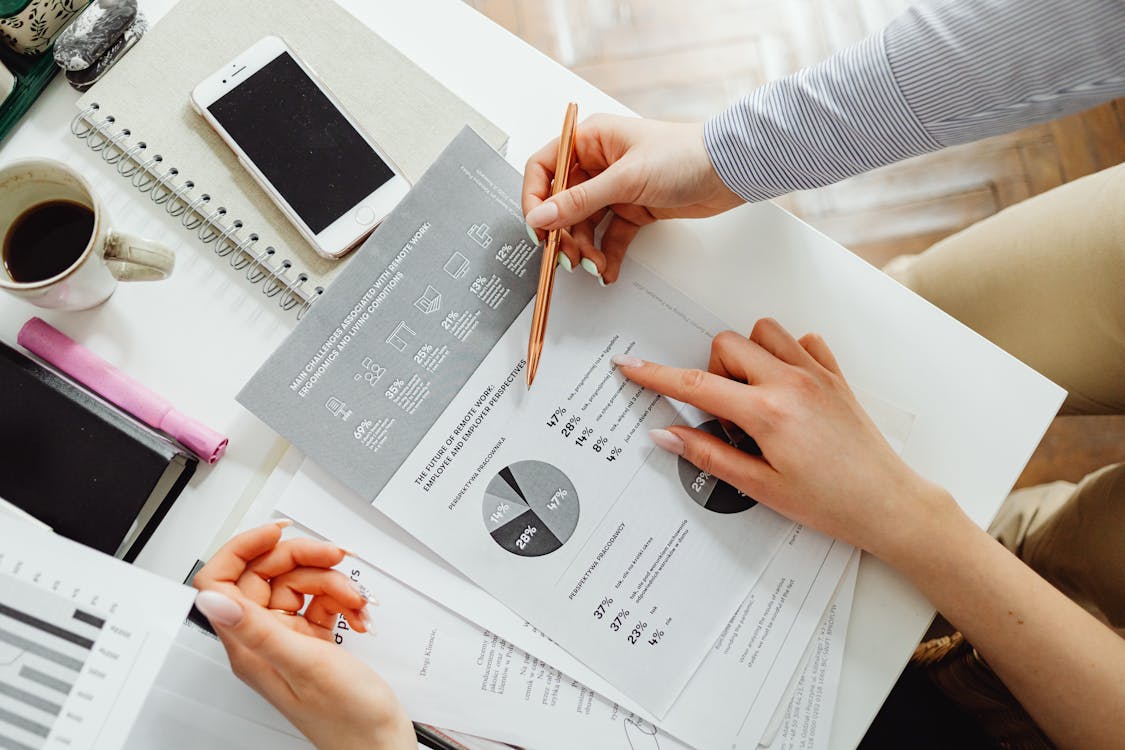 Photo by Mikhail Nilov on Pexels.
When setting up a business bank account, registering for Goods and Services Tax (GST) with the Australian Taxation Office (ATO), or configuring invoicing software, you will be asked to choose an accounting method: Cash or Accrual (referred to on ATO forms as Non-cash).
The fundamental difference comes down to timing: When does money count on your financial records?
- Cash Accounting: You record income only when payment lands in your bank account, and record expenses only when you actually pay a bill.
- Accrual Accounting: You record income when you issue the invoice (when the money is earned), and record expenses when you receive a bill, regardless of when cash changes hands.
Why This Decision Matters to Small Business Owners
Your chosen accounting method directly affects:
- Cash flow management: Ensuring you always have an accurate view of real, spendable funds versus paper earnings.
- Tax and BAS timing: Determining which tax quarter requires you to remit GST on your Business Activity Statement (BAS).
- Protection from unpaid invoices: Under accrual accounting, issuing an invoice creates an immediate tax liability, even if the client takes 60 or 90 days to pay. Under cash accounting, no tax is owed on an invoice until payment clears.
Direct Comparison: Cash vs Accrual
| Business Event | Cash Accounting Basis | Accrual (Non-Cash) Basis |
|---|---|---|
| You send an invoice to a client | Nothing is recorded yet. | Income is recorded immediately. GST is queued for payment. |
| Client takes 45 days to pay | No tax is owed while waiting. | GST must be remitted on your upcoming BAS, even if unpaid. |
| Payment arrives in your bank | Income is recorded. GST is reported on that quarter's BAS. | Payment simply clears the existing account balance. |
| You receive a supplier bill | Nothing is recorded until you pay. | Expense is recorded immediately. GST credit can be claimed. |
| Best suited for | Sole traders, contractors, and service businesses. | Larger companies, businesses holding significant inventory. |
The 30 June Financial Year Rollover
Example: $5,500 Tax Invoice issued 20 June; client pays on 15 July
Accrual Accounting
Non-Cash (Earnings Basis)Cash Accounting
Receipts BasisPractical Scenarios for Sole Traders and Contractors
Scenario 1: Trade Contractor (Managing Delayed Client Payments)
An electrical contractor completes a commercial installation on 20 June and issues a $6,600 invoice ($6,000 labour and materials + $600 GST) with 30-day payment terms. The client pays on 15 July.
- Under Cash Accounting: The contractor reports $0 for that project on their 30 June end-of-year tax return and Q4 BAS. The income and $600 GST are reported in the new financial year after payment clears.
- Under Accrual Accounting: The contractor must report $6,000 in income for the financial year ending 30 June, and remit $600 GST on their July BAS, before the client has paid.
Scenario 2: IT Consultant (Working with Corporate Payment Terms)
An IT consultant invoices a corporate client $11,000 on 60-day terms.
- Under cash accounting, the consultant has zero tax liability until the funds arrive in their bank account.
- Under accrual accounting, the consultant must remit $1,000 GST on their upcoming quarterly BAS using personal cash reserves while waiting for the client to process the invoice.
Which Method Should Sole Traders and Small Businesses Choose?
According to guidance from the Australian Taxation Office on choosing an accounting method and business.gov.au:
- Businesses with turnover under $10 million are eligible to use the cash accounting method for both income tax and GST.
- Cash accounting is recommended for most sole traders and service providers: Because you only pay tax on money you have received, it protects working capital and simplifies day-to-day record keeping.
- Accrual accounting is generally adopted by businesses with substantial inventory: When businesses buy large quantities of stock to resell or manage complex long-term construction contracts, accruals match revenues directly against the cost of acquiring that stock.
Practical Bookkeeping Habits
- Check your GST registration settings: Ensure your accounting software and ATO registration match your intended method.
- Track paid versus unpaid invoices: Maintain a clear record of payment dates, invoice numbers, and client names.
- Retain financial records: Keep copies of all customer tax invoices and supplier purchase receipts for at least five years in accordance with ATO record-keeping guidelines.
[!NOTE] General Advice Disclaimer: This guide provides general educational information for Australian sole traders and small business owners. It does not constitute formal tax, legal, or accounting advice. Selecting or switching an accounting method may have specific tax implications depending on your business structure. Always consult a qualified accountant or registered Australian Tax Agent for advice regarding your circumstances. Official resources can be verified at the Australian Taxation Office.
More Business Terms

COGS (Cost of Goods Sold)
Learn what COGS means, how to calculate it, and why it matters for your profit margins as a small business.

OPEX vs CAPEX
Understand the difference between Operational Expenses and Capital Expenditures and how they impact your sole trader taxes.
Margin vs Markup
Learn the crucial difference between profit margin and markup so you can quote jobs accurately, cover overheads, and protect your cash flow.
Disclaimer: The information provided in this article is for general educational purposes only and does not constitute professional tax, legal, or financial advice. Taxation laws are complex and subject to change. Because this information has been prepared without considering your specific business objectives, financial situation, or needs, you should consult with a registered Tax Agent or BAS Agent before making any decisions based on this content. Invoice-buddy is a software provider, not a registered tax practitioner.